The biggest innovation in music isn't the next streaming platform or AI tool. It's the end of listening as we know it.
For more than a century, listening has been a largely passive experience. Whether through headphones, speakers or a live PA, music has been something we receive rather than inhabit.
That is beginning to change.
Across live performance, automotive design, architecture, gaming and personal audio, a new generation of technologies is transforming sound from something that fills a space into something that defines it. Listening is becoming physical, spatial and deeply immersive.
This is more than another technological milestone. It marks a fundamental shift in how music is created, experienced and remembered.
The future of music isn't passive.
Max Cooper's Contact at Abbey Road: Studio Four at SXSW London
Listening becomes an experience
Every era has redefined how we experience music.
Hi-fi brought high-quality sound into the home. Cassette, CD and mp3 players untethered music from the living room. Streaming made virtually every song instantly accessible. Abbey Road knows such developments well, pioneering the leap from mono to stereo.
The next leap is different. Instead of changing how we access music, it changes how we experience it.
Immersive audio allows artists, producers and engineers to move beyond stereo, treating sound as a three-dimensional medium that surrounds, envelops and guides the listener. Music becomes less like a performance taking place in front of us and more like an environment we move through.
Rather than improving fidelity alone, immersive sound creates a different relationship between artist and audience.
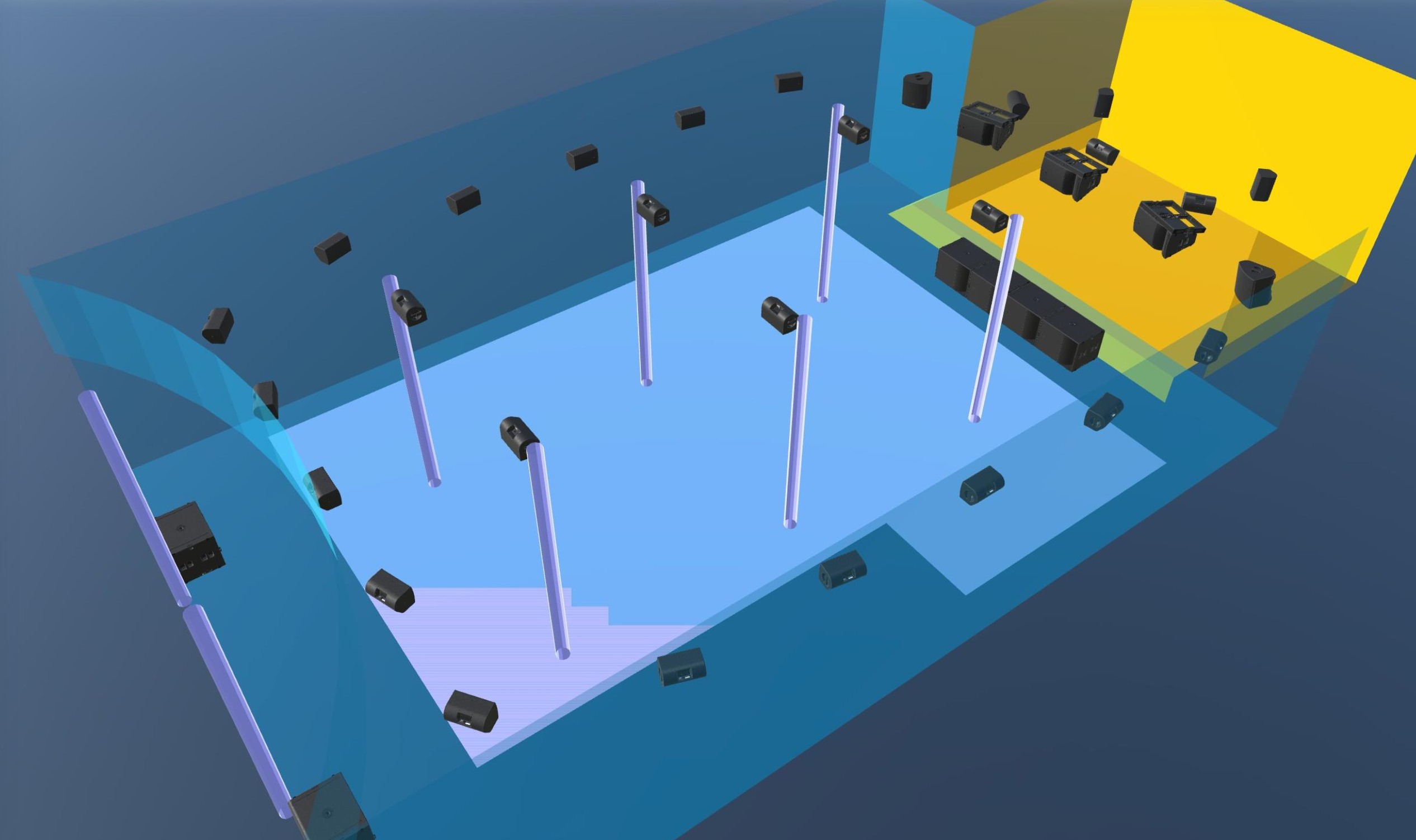
That philosophy was evident throughout Abbey Road: Studio Four at SXSW London, where L-Acoustics were tasked with delivering the spatial audio systems powering both the performances in the Live Room and Max Cooper's Contact spatial sound installation. For more than four decades, L-Acoustics has redefined live sound, making them a natural partner for Abbey Road: Studio Four, and its offering built around the future of music.
The Live Room spatial audio rig designed and crafted by L-Acoustics at Abbey Road: Studio Four SXSW London.
When the venue becomes the instrument
Nowhere is this transformation more visible than in live performance.
Tomorrow's venues won't simply host concerts; they'll become part of the performance itself. Spatial audio, responsive lighting, immersive visuals and acoustically engineered architecture are converging to create environments where every element contributes to the audience's experience.
The goal is no longer to make music louder, but more intentional.
Spatial audio is something Abbey Road knows well. Abbey Road REDD have been exploring the possibilities of spatial audio since 2016. The potential of which is now starting to be realised fully in consumer facing environments.
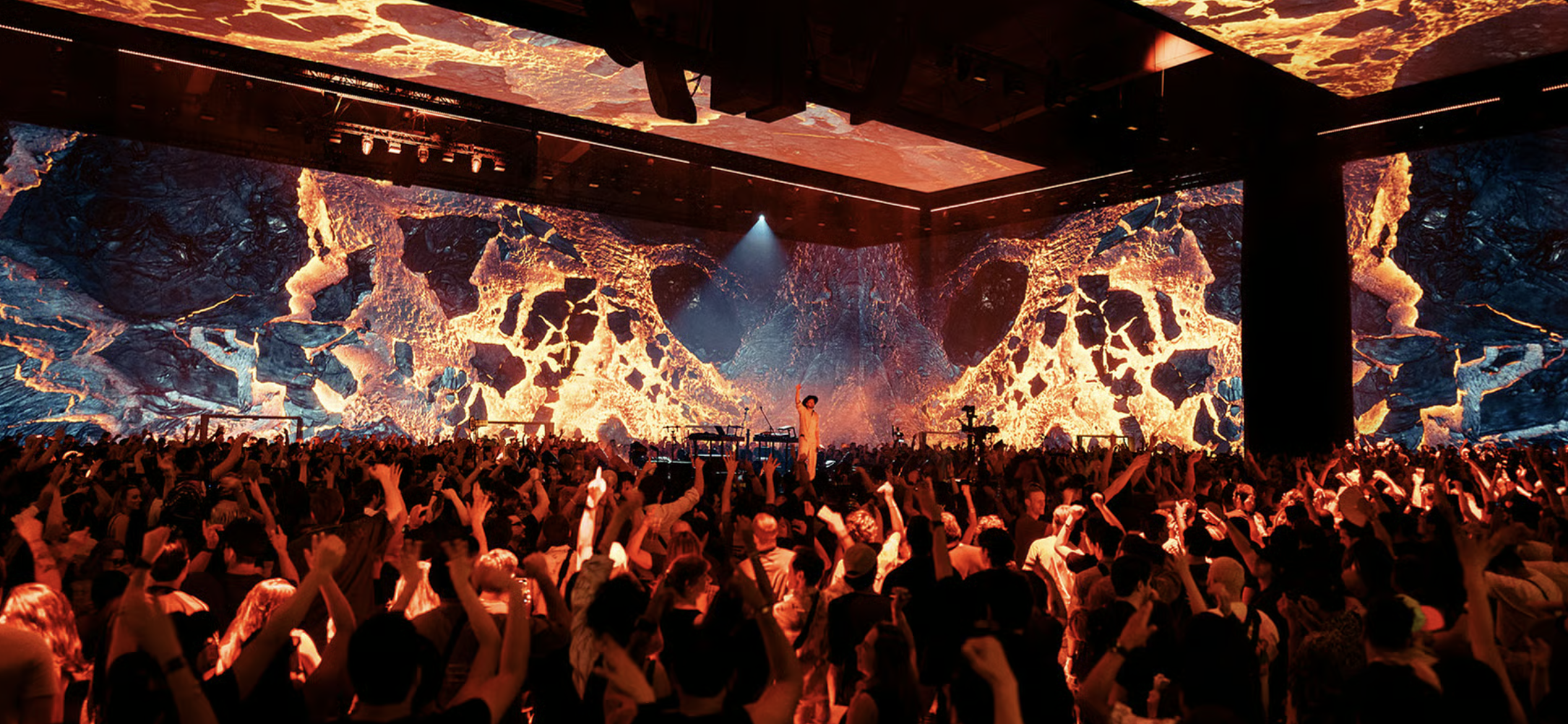
Projects such as Cercle Odyssey point towards this future. Its vast temporary structure combines L-Acoustics spatial sound, real-time generative visuals, 8K projection and even scent design into a fully immersive environment. Rather than presenting music on a stage, it creates an experience that surrounds the audience from every direction.
As listeners encounter spaces like these, immersive concerts stop feeling experimental and begin to establish a new benchmark for live music.
The Cercle Odyssey Series in action
Taking the studio on the road
Immersive listening is no longer confined to dedicated listening rooms either.
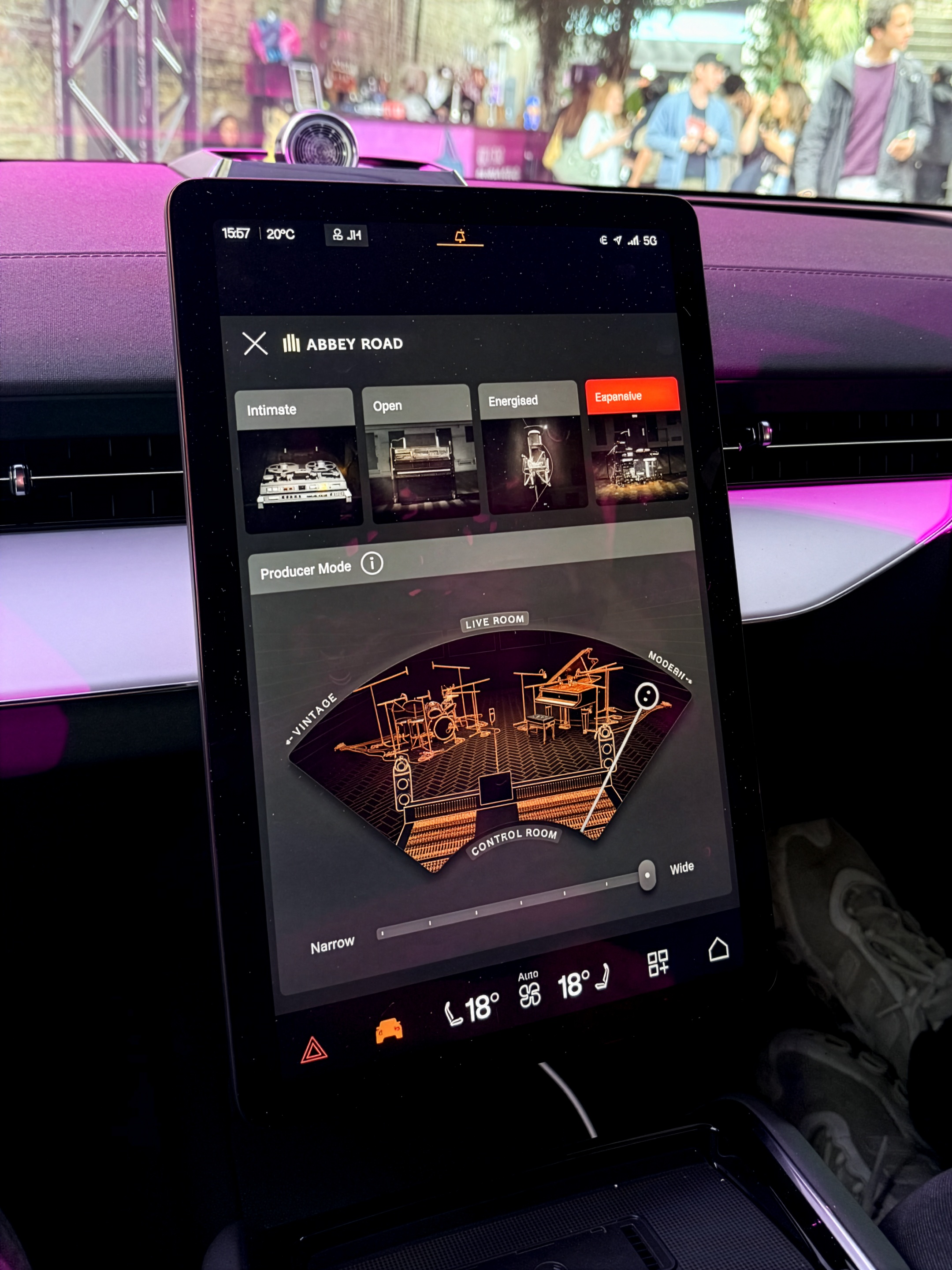
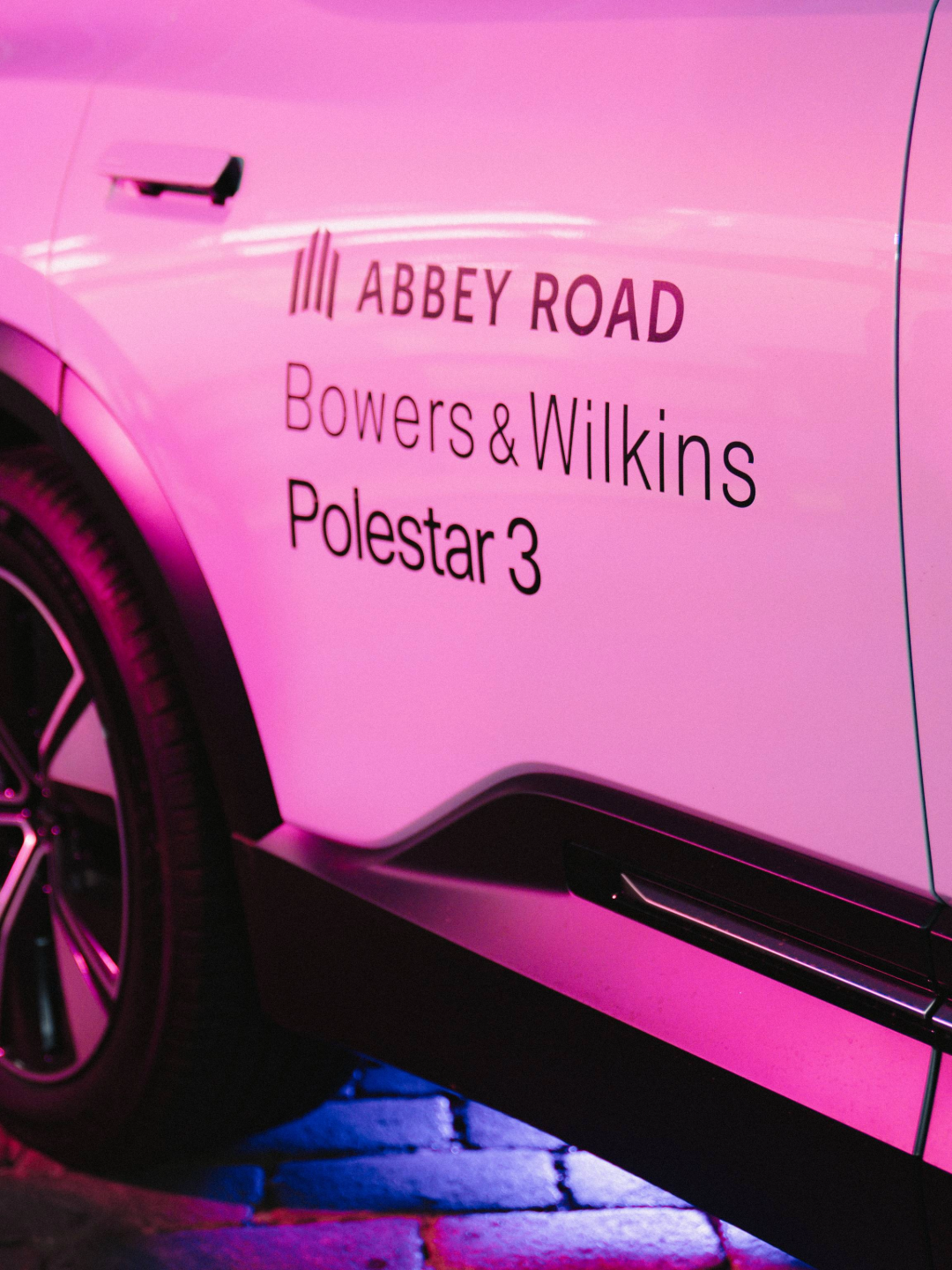
With our latest innovation; the Abbey Road Studios Mode, created in collaboration with Bowers & Wilkins for the Polestar 3, Volvo EX90 & ES90 the sonic DNA of Abbey Road is extending beyond the confines of the studio, and even beginning to travel with the listener.
The car has become a space where music can be experienced with the sonic palette that informed its creation.
There are few greater pleasures than driving whilst listening to your favourite track. Abbey Road Studios Mode combines 95 years of pioneering engineering, innovation and the unmistakable character of Abbey Road's iconic recording spaces to create a listening experience that feels larger than the cabin itself.
Personalised to the listener’s taste and infused with the energy and presence that have defined music made at Abbey Road for nearly a century, the mode delivers a rich, expansive sound that has been synonymous with Abbey Road for nearly a century.
The result is sound that is energised, dynamic and alive, placing the listener at the heart of the performance and transforming every journey into a more visceral, personal experience. Commutes become listening sessions. Road trips become cinematic experiences. Music is not part of the journey; it is the journey itself.
Abbey Road Studios Mode demonstrated at Abbey Road: Studio Four SXSW London
A larger canvas for creativity
Every major advancement in audio technology has expanded creative possibilities.
Stereo introduced width. Surround sound introduced movement.
Immersive audio introduces space itself as a creative medium.

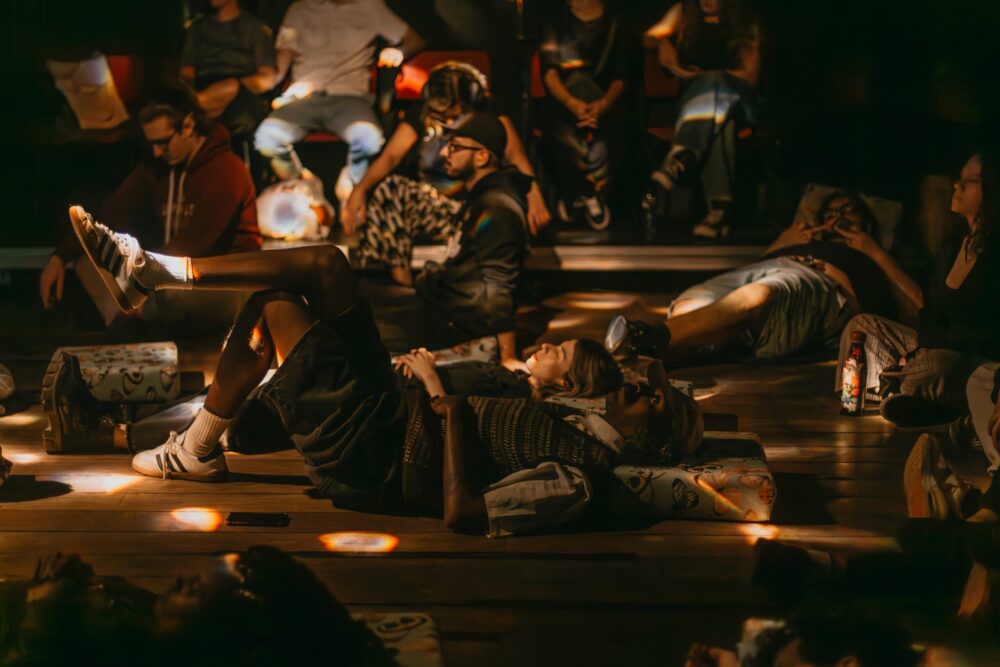
Artists like Max Cooper are already exploring compositions that exist as environments rather than linear performances. His installation Contact, presented at Abbey Road: Studio Four at SXSW London, combines spatial audio, haze and fractured projection mapping to blur the boundaries between sound, image and perception.
The work examines the boundary between meaning and obscurity, and the power of the loss of time and place.
In works like these, immersive technology isn't applied after the creative process. It shapes the creative idea from the outset. In turn such advanced technologies inspire visionary artists such as Max Cooper to keep pushing the boundaries of what is possible within this space.
Max Cooper’s Contact at Abbey Road: Studio Four at SXSW London.
Music becomes something we feel
The future of listening extends beyond our ears.
Haptics, tactile interfaces and responsive environments are beginning to translate rhythm, texture and low-frequency energy into physical sensation. Music becomes something we feel as well as hear.
The implications extend far beyond music just for entertainment too.
The artist Hannah Marshall's HEARTLINE at the V&A invited visitors into a near-dark environment where immersive sound encouraged deep, intentional listening, culminating in a synchronised heartbeat at 40bpm between audience and artwork.
Meanwhile, the Eufonia, a collective that investigates the connection between sound, art, and science have developed an immersive listening space with a difference. The Sub_Bar. demonstrates how haptic technology can make music accessible to deaf and hard-of-hearing audiences by translating sound into vibration.
Together, these projects suggest a future where immersive audio is also making music more inclusive.
Designing with sound
As immersive technologies mature, sound will become an increasingly important part of environmental design.
Just as architects carefully consider light, materials and scent, audio is emerging as another tool for shaping how people feel within a space.
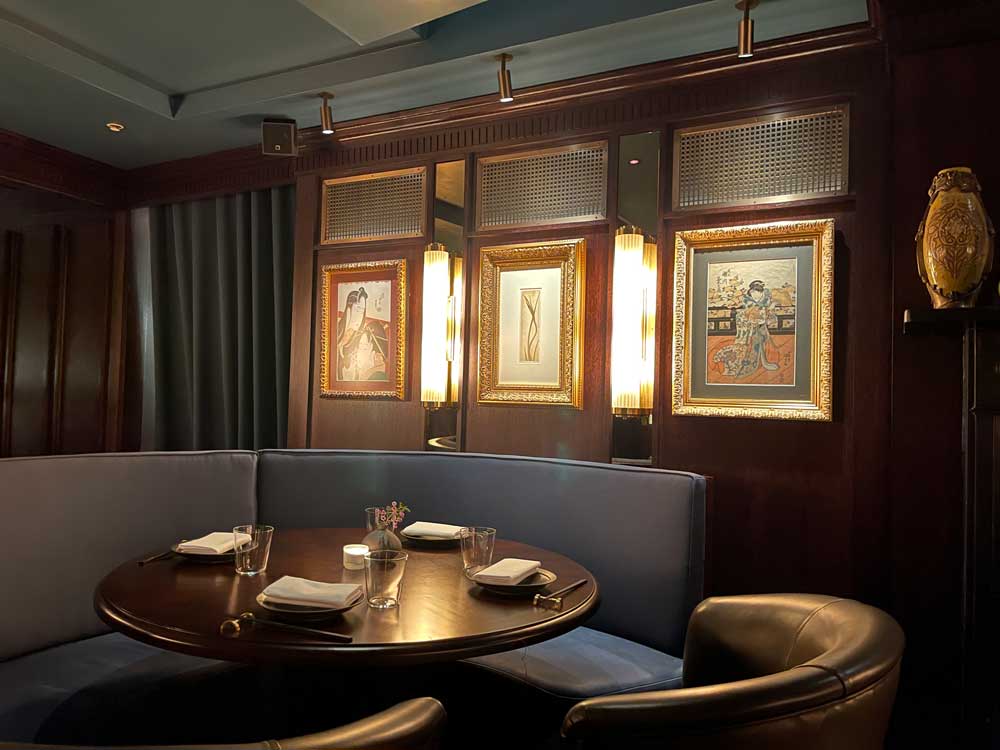
The Aubrey at Mandarin Oriental London demonstrates this shift. Working with L-Acoustics and lifestyle technology company KNEKTD, the venue created a system capable of adapting throughout the day. Presets within the set-up subtly change its sonic character from breakfast through to late-night DJ performances. Rather than acting as background music, sound becomes part of the architecture of the experience itself.
Increasingly, environments won't simply contain music. They'll be designed around it.
The Aubrey at The Mandarin Oriental London
The new expectation
The most significant technological shifts rarely arrive all at once.
High-definition television, smartphones and streaming gradually became part of our daily lives, changing expectations almost without us noticing.
Immersive audio is likely to be something that people encounter more, and want more of.
As audiences experience spatial concerts, intelligently tuned vehicles, immersive installations and thoughtfully designed public spaces, these experiences will become what people expect. We are entering an era of raised expectations where the threshold is spatial sound.
That expectation will influence everything that follows; from the venues architect’s design to the ways artists write, record and perform.
For decades, innovation in music has focused on giving us greater choice, convenience and fidelity. The next chapter is different. It's about transforming the experience itself.
Music is becoming something we don't simply listen to, but something we move through, interact with and remember.