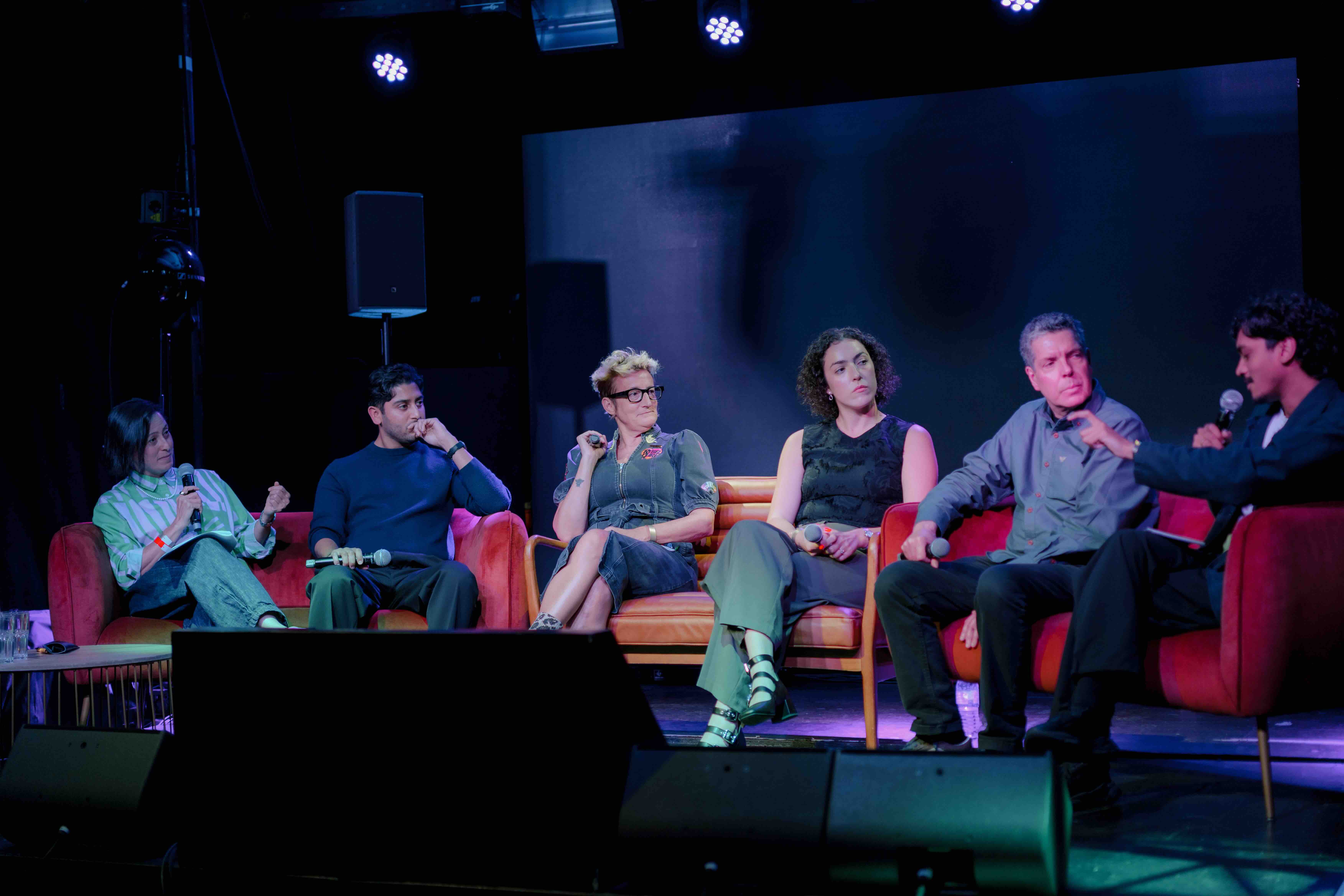
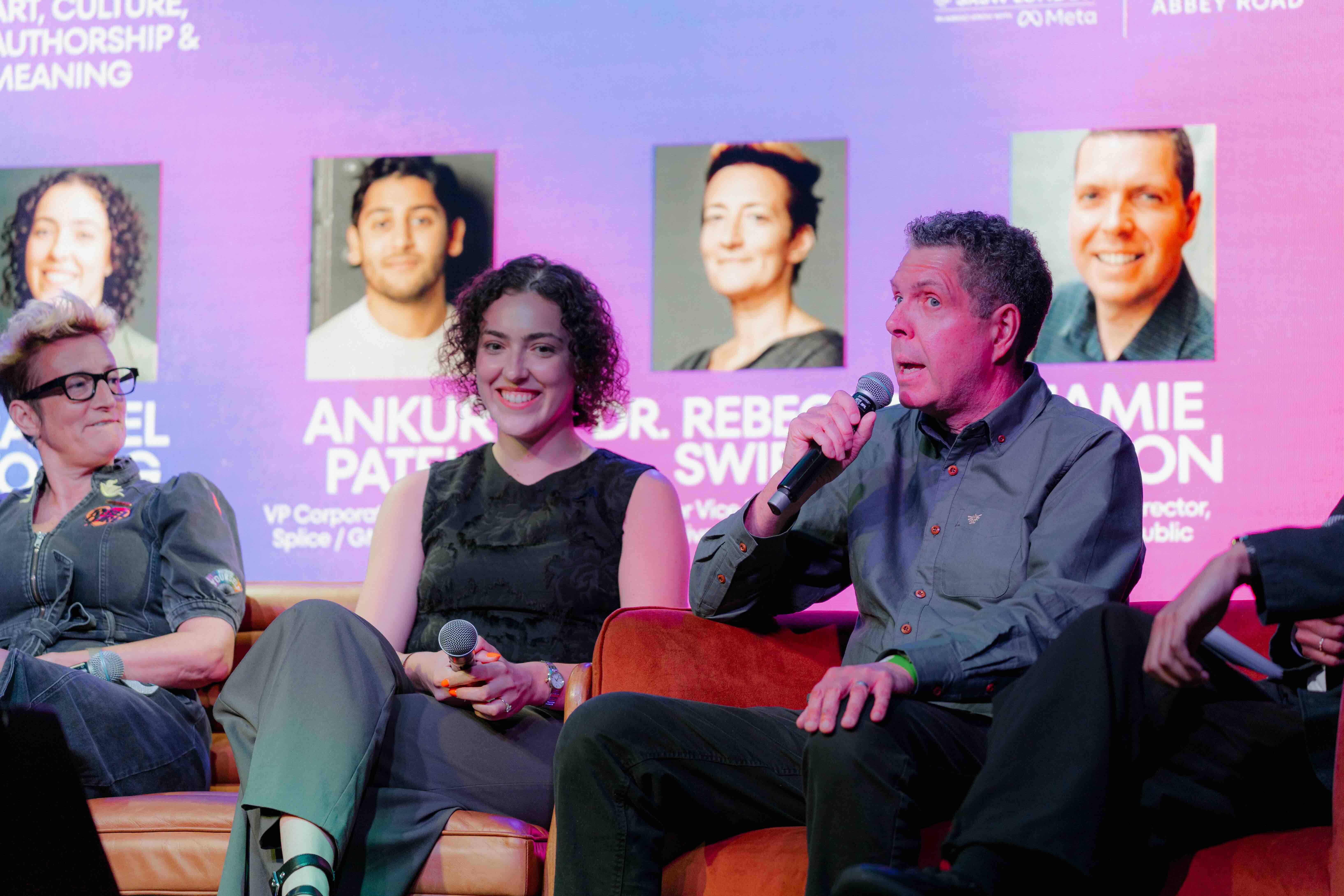
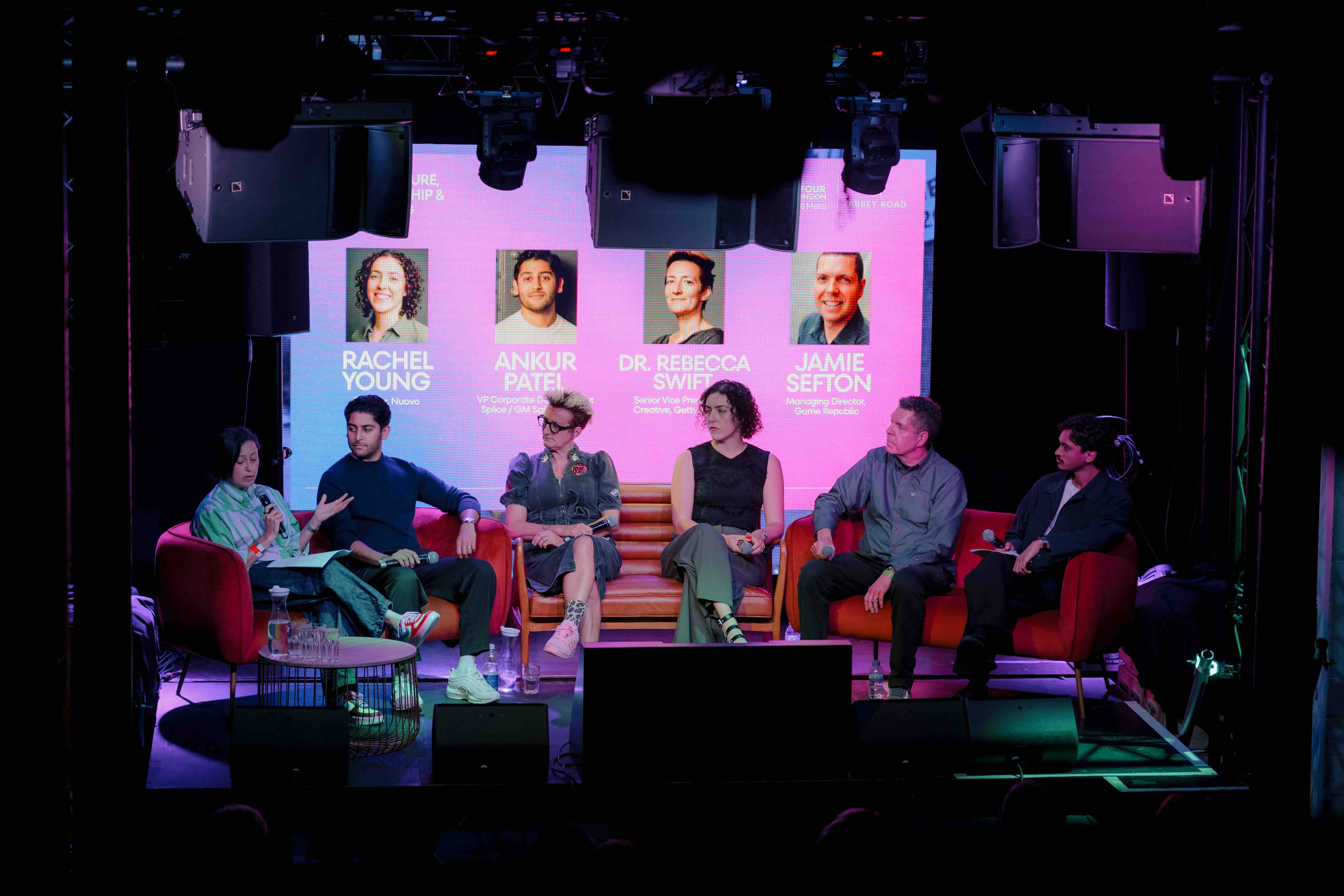
In an era where generative algorithms can recreate iconic artistic styles in seconds, the creative community is engaged in a profound debate over the true purpose of visual art and music. At this year’s
Abbey Road: Studio Four,
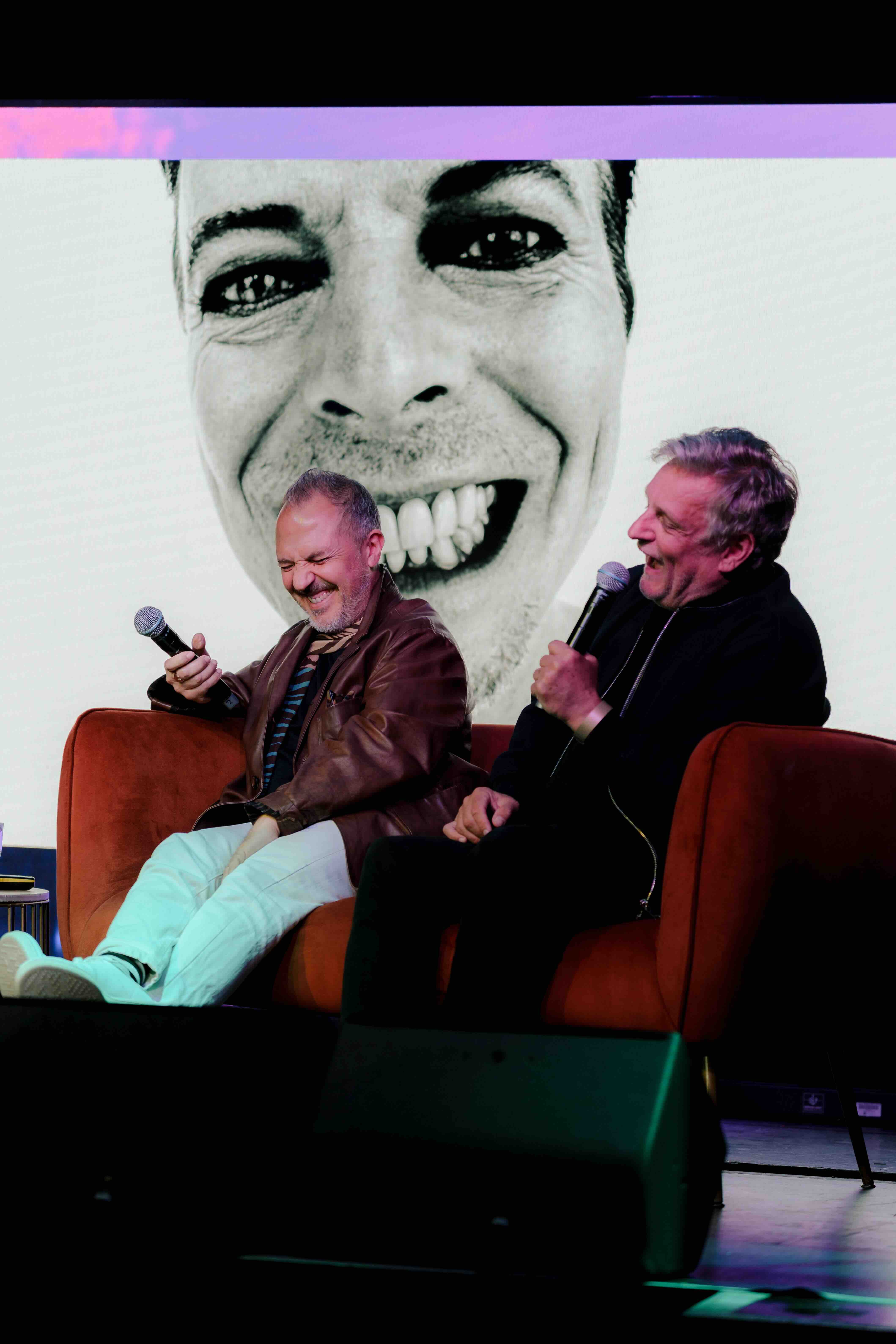
Anny Shaw from
The Art Newspaper asked legendary photographers
Rankin and
Platon,
Can a Photograph Still Change Culture?Rather than shying away from generative technology,
Rankin’s immersed himself in it - working with AI extensively to test its visual and practical boundaries. Rankin says,
"I don’t love AI; in fact, I hate most of what it represents. My work with it is an attempt to confront that discomfort: to explore its seductive creative possibilities while questioning what it might do to originality, memory, sensitivity and our sense of reality. For me, the contradiction is the point. I don’t want to tell people what to think about AI. I want the work to make them feel that tension for themselves."From feeding decades of his own archive into AI systems to generating portraits of figures like
Prince, Muhammad Ali, Winston Churchill, Mark Zuckerberg, and even "God" in his signature style, he’s explored both the light and the dark sides of synthetic media. Rankin even single-handedly produced an entire magazine using AI for both image creation and writing, while leveraging the technology for strategy and PR campaigns for charities like
Dignity in Dying. He's currently working on a new book called
The Absurdity about his experiments and has his first show of generative work in France this month, called
La F.AI.M.
Despite finding the technology "limitless”, his hands-on experience has brought him to a realisation about the vital necessity of real human exchange:
"Sitting in front of a computer and talking to a machine - after four hours, you do need to go for a walk. You do need culture, exchange, interaction." For Rankin, extensive experimentation ultimately proved that as synthetic media floods the landscape, the term and label
“Made by Human” is going to have huge importance in the future.
This perspective is reinforced by the enduring value of portrait photography, where a camera serves as a bridge between people. Reflecting on his iconic photographs of world leaders and cultural figures,
Platon highlighted how traditional photography captures an unrepeatable truth:
"Many of our subjects have passed away. And so, you have this bizarre real human moment that we were privileged to capture, and that person is no longer there, yet in our picture, it's frozen." While an algorithm can generate a visually convincing image in seconds, it lacks the shared vulnerability, trust, and physical presence that give a portrait its true emotional weight.

This craving for raw, unscripted craft extends across music and documentary culture as well. In
Punk at 50, a talk with photographer
Dennis Morris hosted by
Dylan Jones, Dennis emphasised that both visual and sonic media must resist sterile, automated perfection if they want to resonate with audiences:
"I think music can shock again if it goes back to basics - real instruments, live bands playing with soul, rather than flat computer-generated tracks." For Morris, whether in front of a live stage or behind a camera lens, art loses its spirit when it becomes purely computerised; the true power comes from real people creating in real time and, importantly, copywriting your work and maintaining those rights.
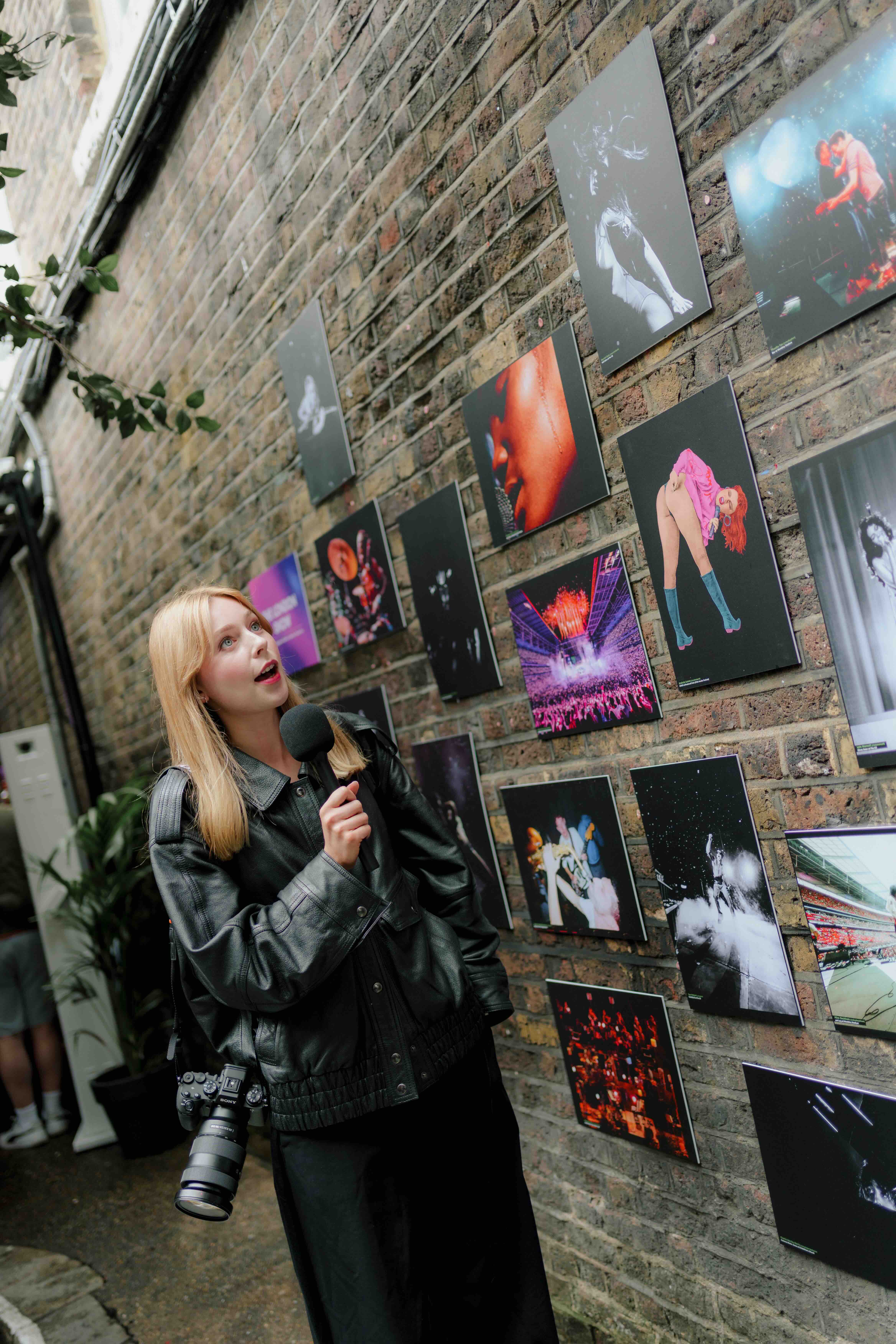
Nurturing and empowering new generations of creators as they navigate this technological shift is critical for keeping visual history grounded in reality. Programmes like the
Abbey Road Music Photography Accelerator play a vital role in this evolving landscape - championing emerging talent, offering mentorship, and celebrating artists who capture authentic music culture. By equipping creators to document genuine human energy and manage the business side of their craft, we hope to keep the discipline, the talent and the storytelling at the heart of visual culture.