Transmission Three: Do we still need studios?

Transmission Three: Do we still need studios?

Transmission Three: Do we still need studios?

We’re feeling a bit introspective.

For Abbey Road: Studio Four Transmission Three we’re examining the role of the modern recording studio through the lens of the latest tech and trends happening outside our physical walls.

Do we need studios – or just somewhere to plug in? What do physical space, gear and in-person connection mean to music makers and wider creatives?

We’ll be looking at:
Collaboration through filmmaking and film scoring
Audiomovers remote software

Plugins and samples with Spitfire Audio
Portable and powerful kit like Telepathic Instruments’ Orchid
Abbey Road tips for home setups
And what role Abbey Road is playing in shaping the future of creativity – both in our house and through concepts like Abbey Road: Studio Four.


Changes at the Turn of the Millenium




At this year’s Abbey Road: Studio Four, we held a very special talk called The Lord of The Rings 25: The Music Behind the Trilogy with some of the London team behind the Academy Award and GRAMMY-winning scores including Paul Broucek, Peter Cobbin, Michael Price, Steven Price, Andrew Dudman and Mirek Stiles. Rather than a retrospective alone, it unpacked not just what was achieved, but how and why its impact endures 25 years on and continues to shape modern film scoring.

The recording sessions for The Lord of the Rings offer an early glimpse of the studio evolving from a physical place into a distributed creative network. With production centred in New Zealand and the music team in London, the team had to build its own remote infrastructure from whatever technology was available: ISDN lines, Polycom video, CDs, Pro Tools, iChat and eventually fibre connections. Mirek Stiles, studio runner on the LOTR sessions and now our Head of Audio Products, remembered they were, “just cobbling this technology together” to keep the workflow moving. “We were using these things called ISDN lines… And I would go down into this room and dial in a phone number, and that would go down to New Zealand. And at the same time, we had this thing called the Polycom system… I was like, ‘Oh my God, we're living in the future.'”

On the filmmaking side, Peter Jackson was breaking barriers shooting all three films back-to-back - a total game changer for remote teamwork, using custom AI software like MASSIVE and early virtual production. They synced workflows across the globe using a groundbreaking, high-speed fibre-optic link between Wellington and LA way before that kind of pipeline was standard for filmmakers. On the music side, Abbey Road consequently had to become less a conventional recording space and more a nerve centre connecting people, files, decisions and creative processes across continents.

The technology was only one part of the collaboration. The gruelling nature of the sessions depended heavily on trust, relationships and shared routines. The London team developed rituals and in-jokes to survive the demanding workloads, while remote communication could never entirely substitute for the creative energy of being physically together. Peter Jackson’s presence, for example, carried a psychological and creative weight that even the best available communications could not fully reproduce. The talk at Abbey Road: Studio Four revealed that remote collaboration works best not when technology replaces proximity, but when it extends relationships that have already been established.

The project also reveals a paradox at the heart of modern recording. New technology gave Jackson enormous freedom to keep recutting the films and gave the music team increasingly flexible ways to edit, mix and exchange material – but that flexibility also generated endless revisions and pressure. At the same time, the team's technological limitations sometimes forced creative decisions and discipline. As President of Warner Brothers Music Paul Broucek put it, “Let your limitation be your liberation.” The lesson is that more tools and more flexibility do not necessarily produce better work; constraints can be productive.

Ultimately, the modern studio emerging from this story is less about walls than about infrastructure, coordination and human community. The physical spaces of Abbey Road (and Watford Town Hall) remained crucial because they provided concentration, shared listening and human connection, while digital systems allowed the creative process to stretch far beyond them. The most revealing conclusion is therefore not that technology made the studio unnecessary, but that it changed what a studio could be: a networked environment in which people, places and technologies collaborate as one creative organism.


A New Age of Remote Collaboration

In contrast to the now-archaic means remote collaboration that The Lord of the Rings team pioneered, new software created by Audiomovers (part of the Abbey Road family) has made the process seamless. Their technology is used literally every day at Abbey Road - from connecting a director or producer to a giant orchestral session to connecting a single engineer/producer in London to a solo artist in New York.

For a limited time we're offering you 15% off a range of Audiomovers software - just enter the codes at checkout!:

15% off LISTENTO Pro & Basic: TRANSMISSIONS-LT-15
15% off INJECT: TRANSMISSIONS-IJ-15
15% off MINIBUS: TRANSMISSIONS-MB-15
*Expiry: Codes redeemable until 30 September 2026.

This year at Abbey Road: Studio Four, Audiomovers returned with live performances that explored the future of music creation and collaboration with artists Reuben James and ILĀ.

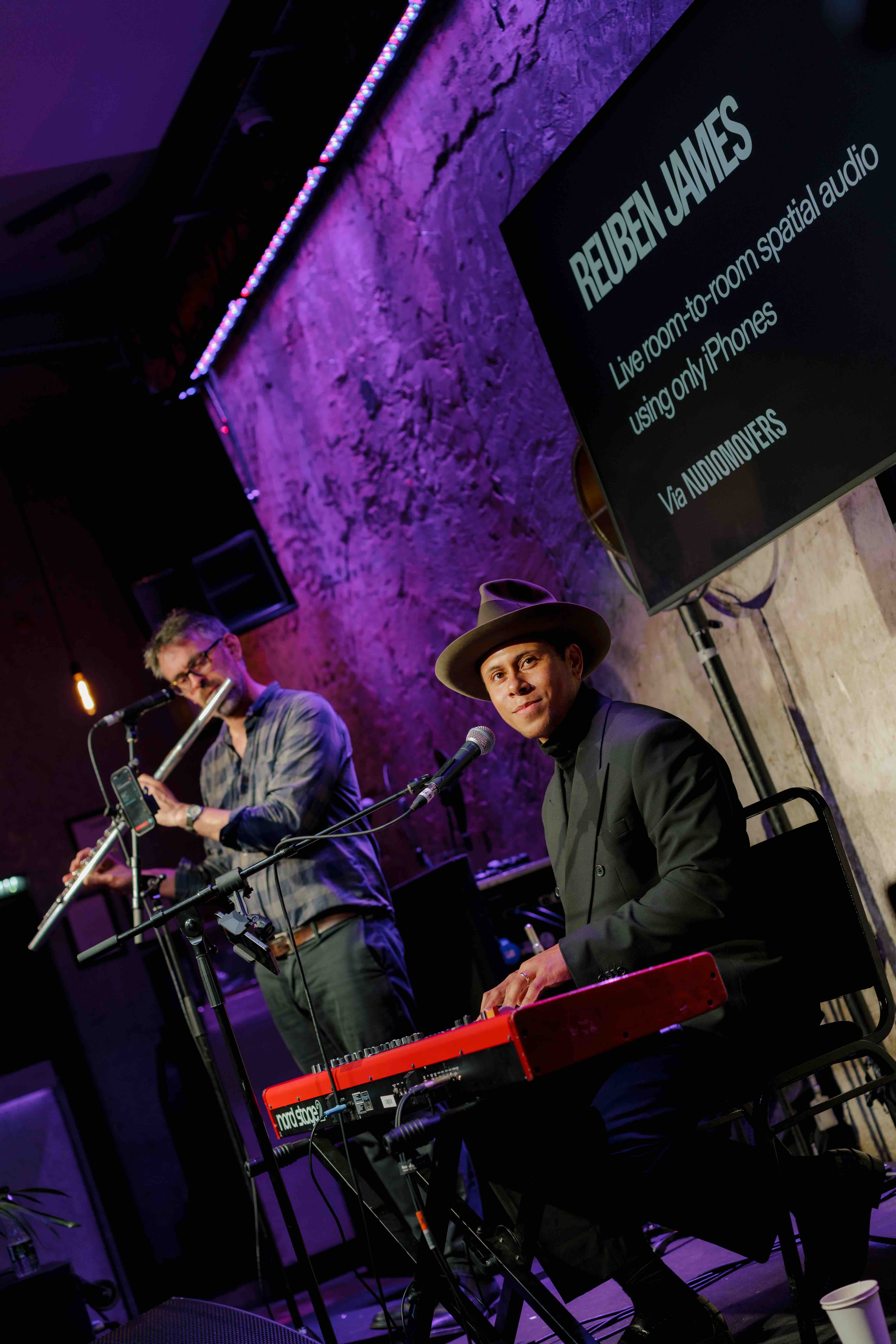
Following the launch of the new MINIBUS iOS app, acclaimed British artist, producer and songwriter Reuben James and his band performed a special live acoustic set captured on iPhones using MINIBUS. Audio from each device was sent wirelessly in real time across Abbey Road: Studio Four, using the iPhones’ built-in microphones, and mixed live by our engineering team in spatial sound presented by L-Acoustics in the adjacent room.

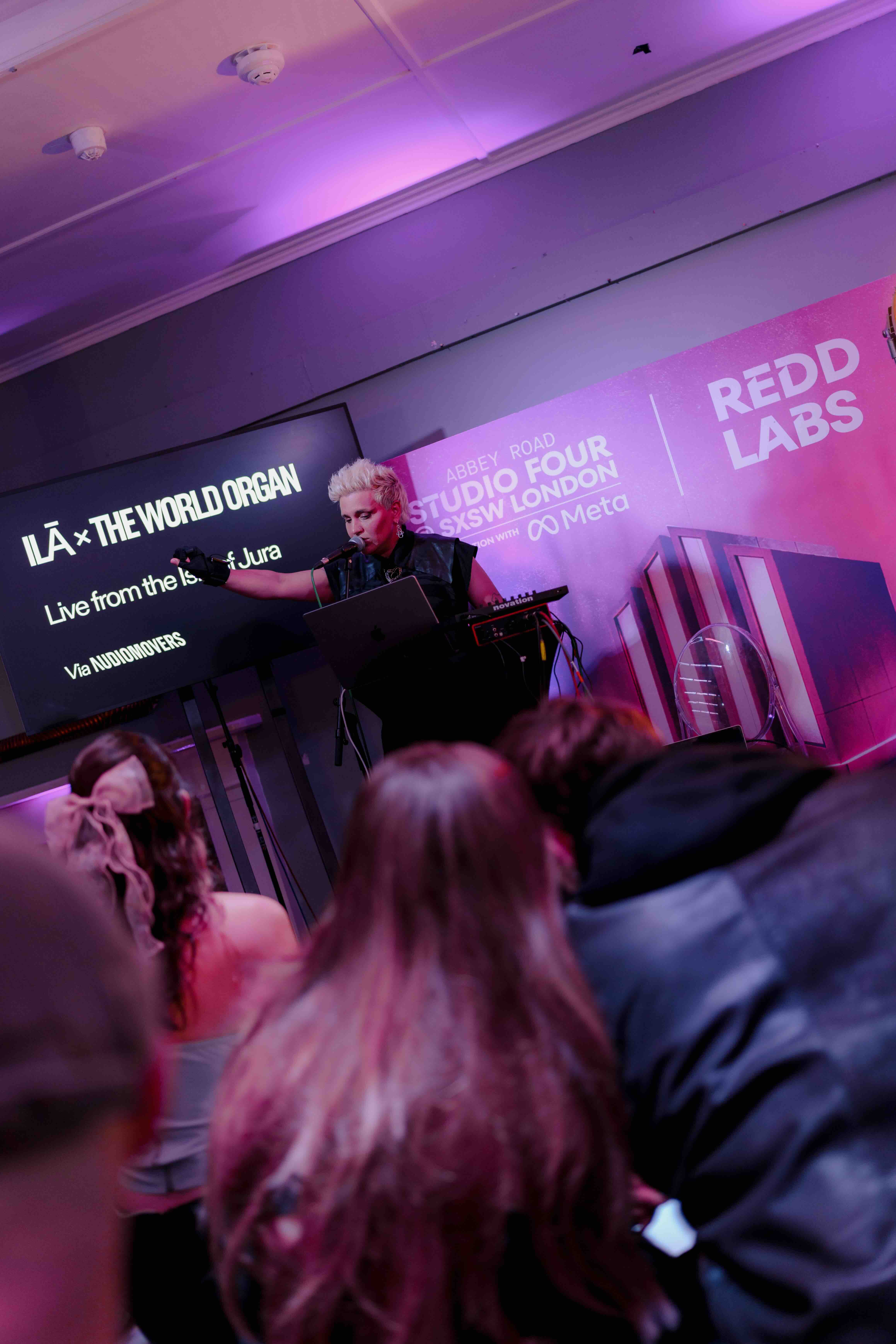
Then came The World Organ: Live Production, with artist ILĀ performing alongside sounds from the World Organ on the Isle of Jura and in the Faroe Islands. Using LISTENTO, audio of the organ was transmitted live for ILĀ to collaborate with in Studio Four. The performance also featured MiMU Gloves, mapping ILĀ’s hand gestures to shape a bespoke composition.

Together, the two performances reflected Audiomovers’ perspective on the modern studio: a creative environment that is no longer defined by a single physical location. Tools like LISTENTO allow artists, producers and engineers to collaborate in real time across studios, cities and continents, giving people access to creative spaces and collaborators wherever they are. At the same time, technology can make collaboration within the room more immediate and flexible.

MINIBUS extends that thinking to musicians sharing the same physical space, enabling multiple iPhones to send multichannel audio wirelessly into a session, removing technical barriers between an idea and capturing it.

For Audiomovers, remote and in-person collaboration aren't opposing ways of working. The modern studio should enable both - connecting people and spaces across any distance while preserving the spontaneity, shared energy and acoustic character that make creating together in a room so valuable.

Abbey Road: Studio Four embodies that ethos; a creative live environment where music, art and technology can meet and where experimentation and collaboration sit at the heart of the space. Having two Audiomovers activations inhabit this year’s Studio Four offered two distinct demonstrations with the same principal, technology expanding where and how collaboration can happen, without losing the human experiences at the centre of music-making.


Studio Quality, From Anywhere

We asked our friends at Spitfire Audio, a music technology company who creates virtual instrument sample libraries and software plugins for music production and film scoring, for their take on the modern studio, physical space and location, and how they broach these subjects in the case of our shared sample libraries.

The team have kindly shared a Transmissions-exclusive discount code for 20% off the entire Abbey Road ONE range (not including the bundle).

20% off Abbey Road ONE: ARS4T
*Expiry: Code redeemable until 1 October 2026.

"The way we write and perform music has always been shaped by the space around us. For example, Allegri's Miserere was written in 1638 for the Sistine Chapel in Rome, Muthuswami Dikshitar's Kamalamba Navavarana Kritis were written between 1810 and 1825 for the Sri Thyagaraja Temple in Tiruvarur. At one extreme, you can sit at a piano and write a piece with no sense yet of the room it might eventually inhabit. Then comes the arrangement, the demo, and finally the recording: each stage developing and changing as you hear the music in a new context, often feeding back into the process iteratively.

What excites me about where music technology is heading is how much closer we’re getting to closing that loop. The distance between writing, demoing and experiencing something that feels like it was recorded in the space is getting smaller and smaller. That gives artists more freedom to make creative decisions in the moment, wherever they happen to be working.


When Harry and I spoke at Abbey Road: Studio Four at SXSW London, we talked about the story of Abbey Road Studios and how that connects to production decisions we made during the creation of the sample libraries: from the exact signal chain and performance style of Eleanor Rigby as an option in the Abbey Road TWO library, to the workflow of modern movie scoring and the evolution of the way that directors and composers have worked together since the 1980s when Abbey Road became one of the premier destinations for scoring in the world. The libraries we have created for film are now an essential part of the post-production process on blockbuster film franchises like Avatar.

As technology becomes more powerful, preserving the human quality of music becomes ever more important. Every sample we record starts with people and performances, often guided by decades of practice, experience and skill. Extending from that is an incredible collective of people combining technology and musical talent around one goal: powering creativity while keeping humanity at the very centre of the creative process.” - Paul Thomson, Spitfire Audio co-founder


Portable and Powerful Kit

Tech and innovation are key to Abbey Road: Studio Four. Shining a spotlight on fearless experimentation, forward-thinking technology, and boundless artistry not only in the musical realm, but also film, photography, dance, visual arts, storytelling and so much more.

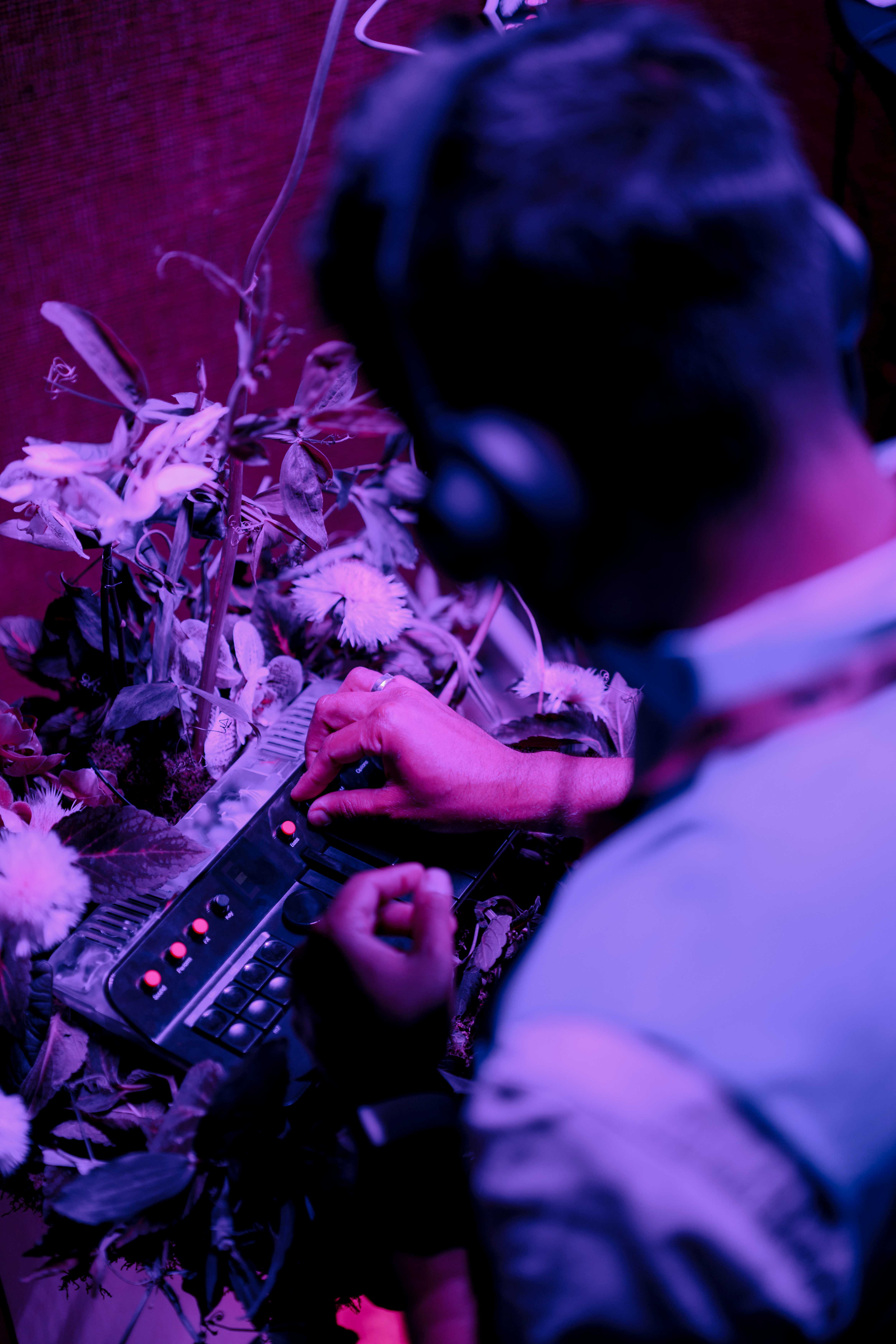
One of the most exciting pieces of gear we've been experimenting with recently is Telepathic Instrument's Orchid, an amazing chord-generating synth conceived by Tame Impala's Kevin Parker. We had artists creating with it live at this year's Studio Four and we now have several knocking about Abbey Road which have already seen loads of use.

We spoke to the Telepathic Instruments team about the ideas behind Transmission Three as they relate to portable kit, and in particular, Orchid. They were kind enough to extend an offer of 20% off for the first 69 people to jump on the code below!

20% off Orchid ORC-1: ABBEYRD
*Expiry: Code valid for only 69 users. Limit to one use per customer.

"Orchid may look like a synth with a keyboard and some buttons, but Orchid is an ideas machine designed to help songwriters find what's on their mind. With its intuitive chord-generating interface, 3 synth engines and a wide array of patterns, patches and FX, anywhere Orchid goes a song may follow.

It used to be that a studio was a where, a place that you couldn't afford to go and when you did, you were painfully aware that time is money. These days a studio is less a where and more a what, and for thousands that what involves an Orchid. Orchid is designed to help songwriters and producers find what’s on their mind. How? It gives you the confidence to write more; because making more songs doesn’t mean you make better songs, but it means you get better at making songs. Secondly, it gives you the freedom to explore, to start with an idea and then mess with it. And finally Orchid gives you a window into your DAW. It's an ideas machine to accompany the process end to end, first idea to the last, beach to bus stop, bedroom to mixing station, wherever your Orchid is, just happens to be your studio. And if you're in a world renowned studio like Abbey Road, there's always an Orchid nearby."


Doing It At Home

Of course, we recognise that a professional studio isn’t always needed, there are loads of things you can do to optimise your own space with a professional mindset to help yield better results.

For those just starting out, bear these things in mind!

Get yourself an audio interface
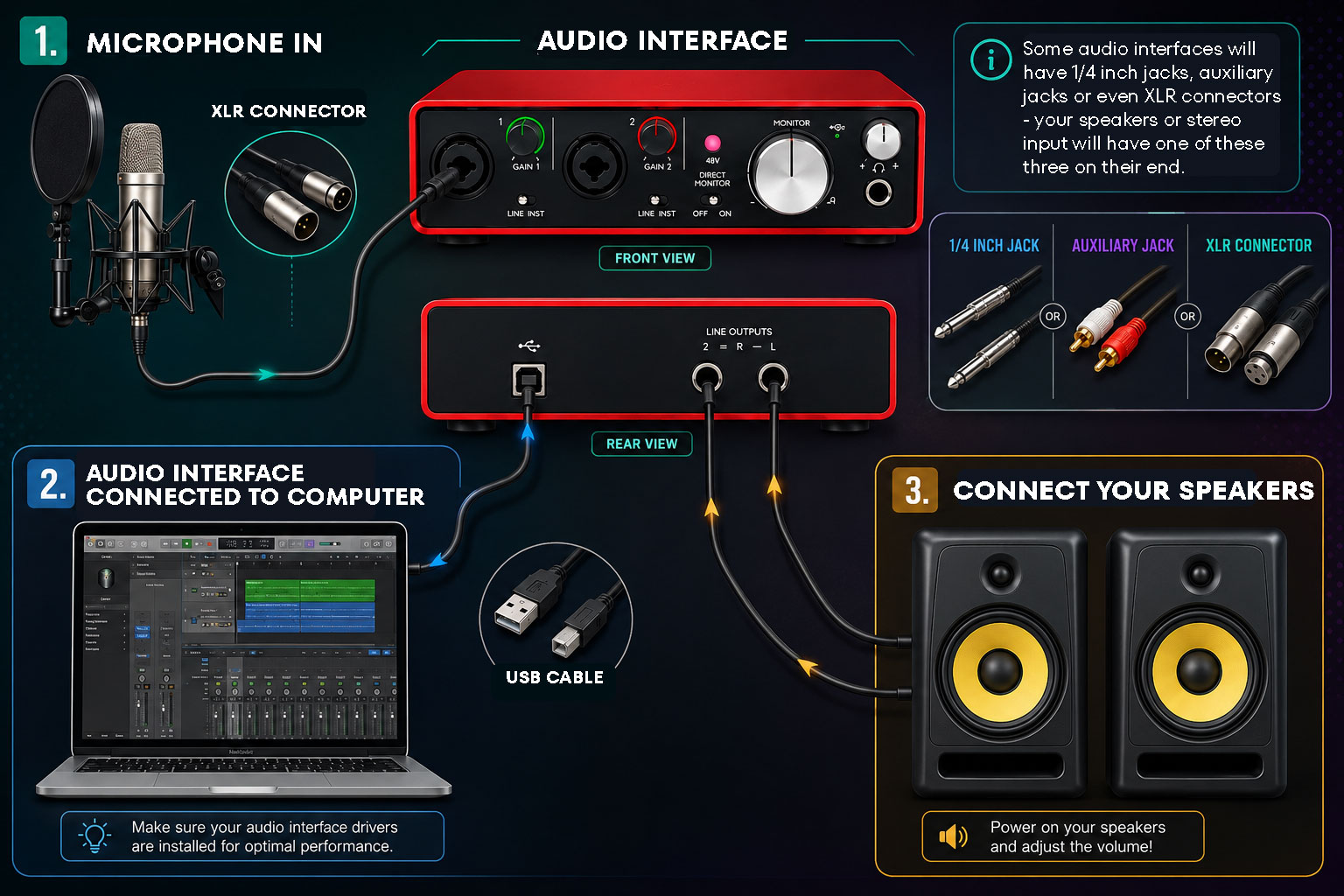
An audio interface connects microphones and instruments to your computer and converts analogue signals into digital signals for recording. It also converts digital audio back into analogue signals so you can hear it through headphones or speakers. For a basic home studio, you will usually only need a couple of inputs, such as one for a microphone and one for an instrument. Many modern interfaces use combo inputs that accept both XLR and jack cables, while some also include MIDI connections for keyboards and other MIDI equipment.

Mics
There are three common microphone types: condenser, dynamic and ribbon. Condenser microphones are highly sensitive and capture a lot of detail, making them particularly useful for vocals and acoustic instruments, although they require 48V phantom power. Dynamic microphones are more durable, less sensitive and work well with louder sounds, while ribbon microphones are more delicate and are known for capturing detailed and natural-sounding audio. For a first microphone, a large-diaphragm condenser is often a versatile choice because it can be used for vocals as well as different instruments. It is also important to consider a microphone’s polar pattern, which determines the direction from which it picks up sound and can help reduce unwanted noise and feedback.

Monitors
Studio monitors are designed to give you a more accurate representation of your recordings, making them especially useful when mixing. Unlike regular Hi-Fi speakers, which may change the sound to make it more enjoyable to listen to, studio monitors aim to keep the sound as neutral as possible. Nearfield monitors are a good option for smaller home studios because they are designed for listening at a relatively short distance. Correct positioning is also important: the two speakers and the listener should ideally form an equilateral triangle, with the tweeters at ear level. Monitors should also be kept away from corners where possible, as reflections from walls, windows and other hard surfaces can affect what you hear. Good positioning and basic acoustic treatment can therefore help create a more accurate listening environment.

There are many other things worth considering when setting up a home studio, including headphones, room acoustics, your recording environment, DAW/software and essential accessories such as cables, mic stands and pop filters. These may seem like small details, but they can all have an impact on the quality and practicality of your setup.


Want to learn more about the perfect bedroom setup?

Check out Audio Products Assistant Sarah Meyz, assistant engineer Daniela Sicilia and Abbey Road Institute's Carmel Comiskey give loads of great tips from Abbey Road Amplify 2024.


Record At Abbey Road

In Abbey Road: Studio Four Transmission Three we’ve demonstrated that a recording studio is no longer just a place, it’s a nerve centre, a digital hub, a space for inspiration across disciplines, and a source of knowledge and innovation that can stretch far beyond any four walls (even if those four walls have a particular magic). Though you can record from anywhere with amazing tools and increasing quality, what we’ve learned is in-person collaboration, a diverse range of gear and communal spaces still hold immense value.

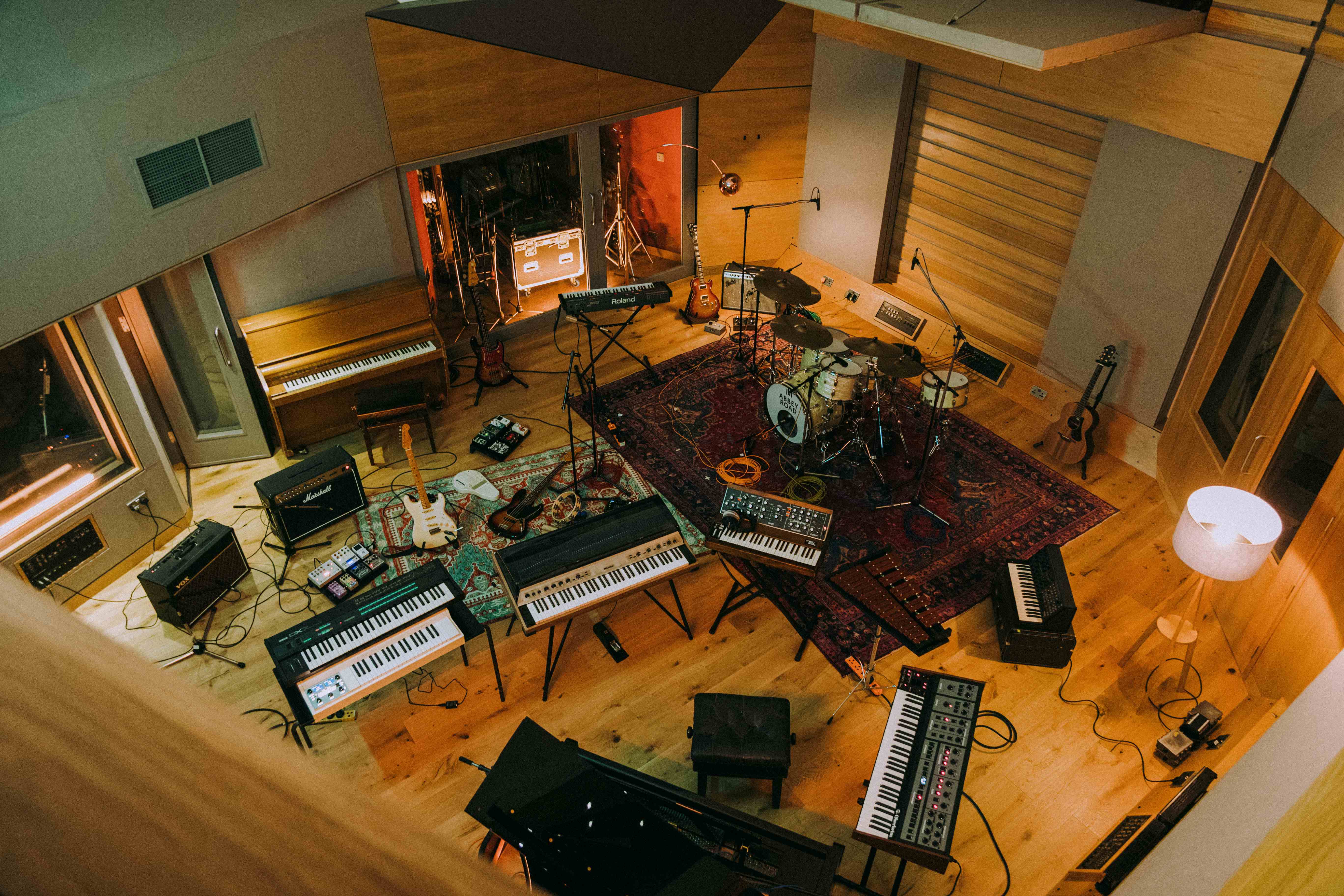
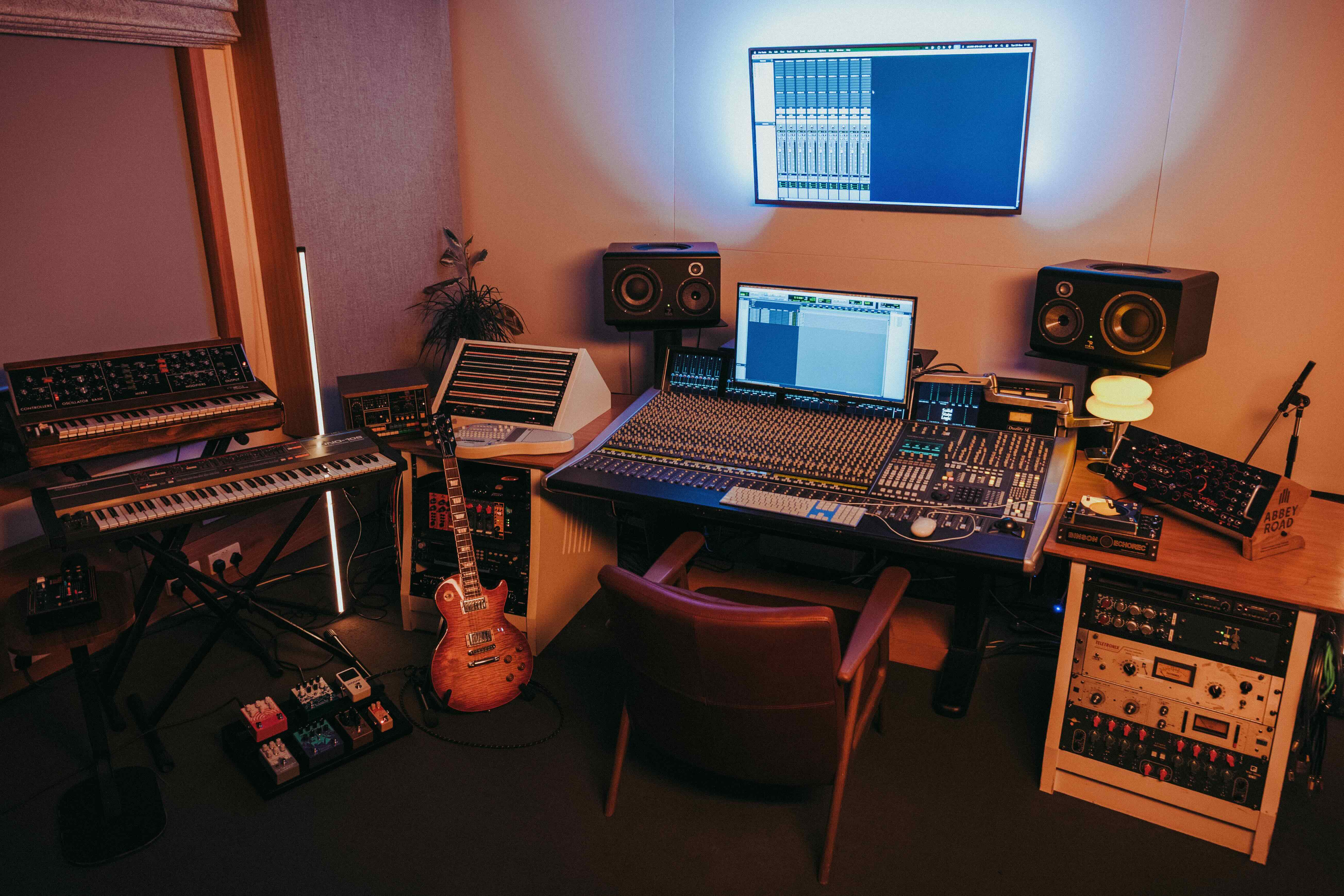
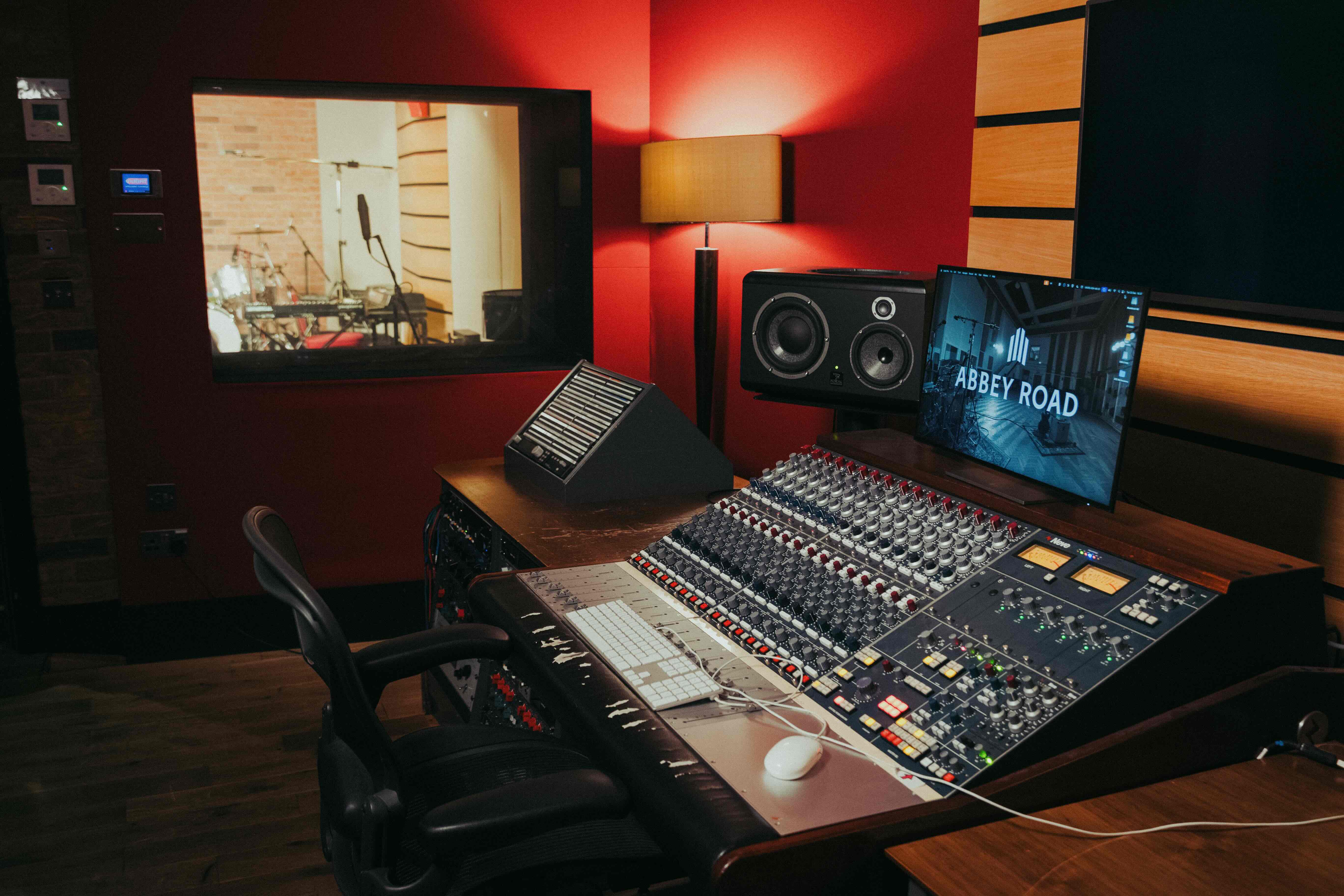
But for today’s music makers it’s all about access. We are on a mission to make our spaces more inspiring and more affordable - expanding our instrument collection with new synths, drum machines, drums, guitars, basses, pedals and experimental tools aimed for use in our affordable spaces whose prices have just been dropped. Check out Studio Three, The Front Room, The Gatehouse and The Writing Room studios, which provide access to gear ranging from 1936 to 2026, the generational expertise of our engineers and technical staff, the acoustic excellence of Abbey Road and the chance to be a part of a creative community in the home of music making.

LEARN MORE


Related News